
Simple locates, $200–$400
Short runs, decent access, leak confirmed and marked without drama.
Somewhere between the meter and your taps, water is escaping, you can see it on the bill even when you cannot see it anywhere else. We pinpoint concealed leaks across Glenhaven with instruments instead of crowbars, so the repair opens one small hole in exactly the right place.
Every concealed leak makes three things: a sound, a temperature difference, and a pressure drop. The gear reads all three. Acoustic equipment listens for the specific frequency of water escaping under pressure and gets louder as we track along the line; thermal imaging paints the wet path through a wall or the warm plume of a leaking hot line under a slab; and isolating sections of pipework against a pressure gauge proves exactly which run is losing water and which is sound.
Cross-referenced, they put an X on the floor within centimetres. That precision is the entire point, the difference between lifting three tiles and re-tiling a bathroom. It matters double under Glenhaven’s older homes, where pipes wander in ways no plan ever recorded, and the "obvious" place to dig is reliably wrong.


Generous Glenhaven blocks mean drains travel a long way to the main, so a single dip or root break far from the house can back the whole line up.
On a large block the service run from the meter to the house can be very long, all of it your responsibility, crossing ground that vehicles drive over and trees grow beside.
A leak anywhere along it is invisible from the house and expensive to find by digging. Correlation between two points on the run narrows it to a few metres, which is the entire difference between one excavation and a trench.
Mains pressure rises as elevation falls, and properties low on a slope routinely sit at the top of the acceptable range. Sustained high pressure is a genuine cause of leaks rather than merely a contributor.
Heavy Hills rain sheets across large lawns and gardens, overwhelming stormwater pits and soak lines that then choke and pool.
If your property is low-lying relative to the surrounding streets and you have had more than one fitting fail, a pressure test costs very little and a limiting valve costs little more. It is the cheapest leak prevention available.
On a property running tank water, a supply leak shows up as consumption rather than as water, a tank dropping faster than the household explains, or a pump cycling when nothing is being used.
Properties toward Dural and the acreage edge can run septic or on-site drainage that clogs and needs the right gear to clear and inspect.
A pump that starts periodically with every tap closed is the clearest leak indicator there is on a rural property, and it is worth acting on immediately. It means the system is losing pressure somewhere continuously.
It is free, it takes an hour, and it settles whether you have a leak at all. Turn off every tap and appliance that uses water, then read your meter, including the smallest dial or digits.
Come back an hour later without using anything. If the reading has moved, water is leaving the property somewhere. If it has not, whatever you are seeing is not a pressurised leak, and that rules out a large and expensive category before you spend anything.
A cistern that leaks internally into the pan can waste a genuinely startling volume, thousands of litres a quarter, with no sound and no visible water at all.
The test is a few drops of food colouring in the cistern. Wait twenty minutes without flushing, then look in the pan. Colour in the bowl means the outlet valve is passing, and it is usually a cheap part.
Everything from the water meter to your house is your responsibility, and the main in the street is Sydney Water's. Most leaks we are called to sit on the private side, which is why they are the owner's to resolve.
Where the evidence points at their infrastructure, we will tell you and point you at their fault reporting rather than invoicing you for it. It is worth having someone establish which side it is on before anybody starts work.
Many home policies contribute to the cost of locating a leak, sometimes as a specific benefit separate from the damage itself. It is one of the more commonly unclaimed entitlements in home insurance simply because people do not know it is there.
Check before you book, and keep the report. Ours is written to be handed to an assessor: what was tested, what was found, where, and what it will take to repair.
Short runs, decent access, leak confirmed and marked without drama.
First hour with the full instrument kit, acoustic, thermal, pressure, on a typical concealed leak.
Beyond the first hour: extended runs, tight access, multiple suspects to eliminate.
Deep slab lines and multi-storey mysteries at the top of Sydney's range.
Priced off exactly what the detection proved, fixed before it starts, same crew, same visit, no second call-out.
Compare it with exploratory demolition, which costs more than detection before it has even guessed right once. Figures here are indicative of the 2026 Sydney market rather than a quote from us, you get your own number as a fixed price before any work starts.

The meter test, done properly, plus your bills and history. If the evidence says no supply leak, you hear that, not a bill for finding nothing.
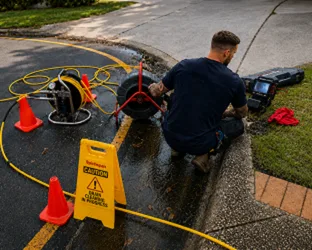
Pressure-testing the pipework in sections, hot against cold, line by line, corners the leak into one run before any listening starts.

Acoustic gear and thermal imaging along the guilty run until the readings converge. The mark on the floor is where the repair happens, centimetres, not metres.

Access exactly at the mark, the failed section repaired, pressure-tested, closed up. If the line's condition says reroute instead of repair, you get both numbers first.
Then it is real, running, and billing you daily. Detection this week beats discovery through a ruined floor next month.
Instruments, a mark on the floor, one hole, one fix: and the meter finally standing still.

Leave your details and our local Glenhaven team will call you back fast.